The Future of Stopping Power: Why Graphene Brakes are Superior
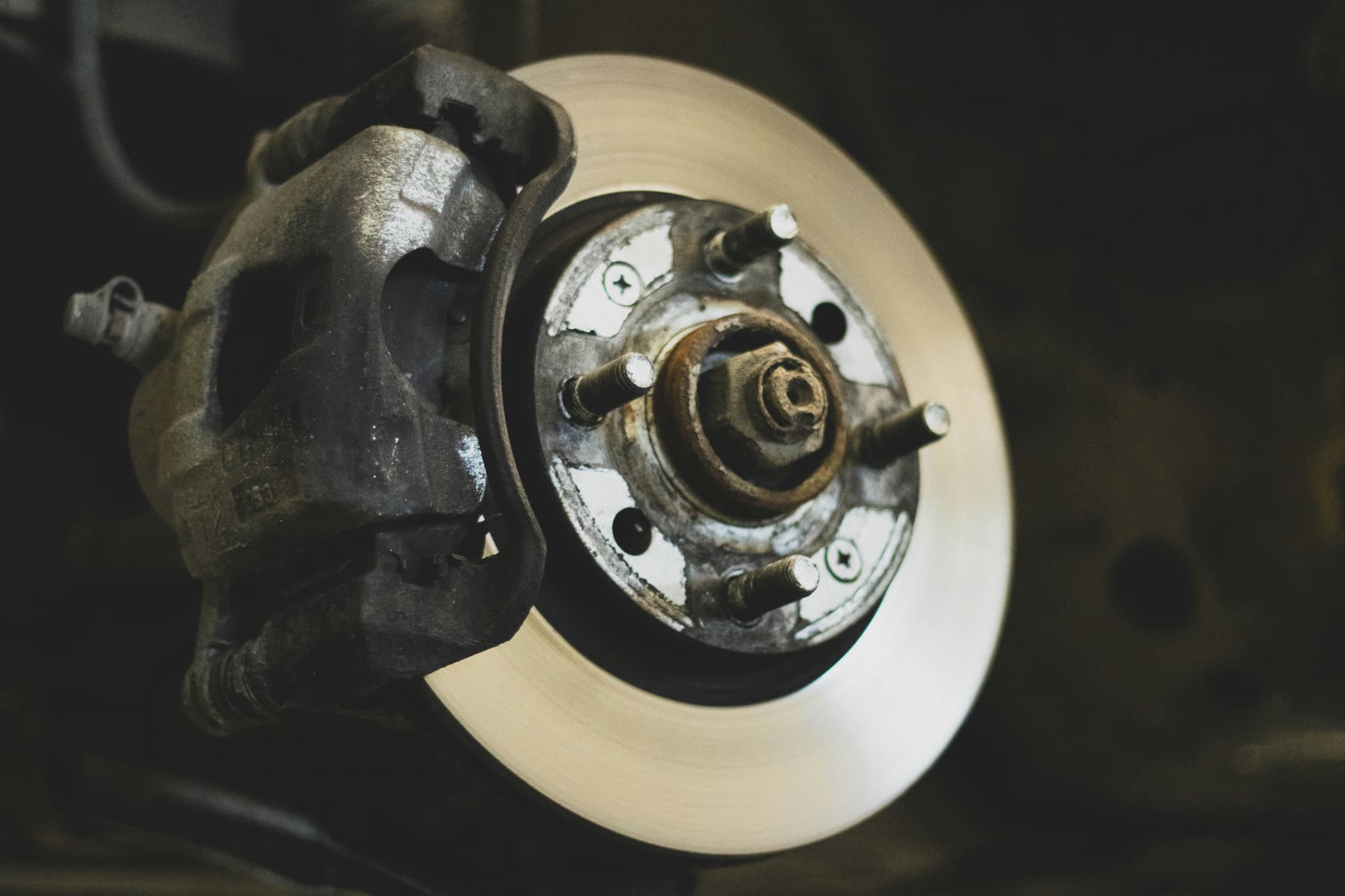
In the ever-evolving world of automotive technology, innovation never ceases. One of the most groundbreaking advancements in recent years is the development of graphene brakes. Known for its extraordinary properties, graphene is set to revolutionize braking systems, offering unparalleled performance and numerous benefits over traditional materials. Here’s why graphene brakes are superior and why they represent the future of stopping power.
What is Graphene?
Graphene is a single layer of carbon atoms arranged in a two-dimensional honeycomb lattice. This seemingly simple structure endows graphene with remarkable properties: it is incredibly strong, yet lightweight, and boasts exceptional thermal and electrical conductivity. These characteristics make graphene an ideal material for a wide range of applications, including braking systems.
Enhanced Performance and Durability
One of the key advantages of graphene brakes is their superior performance and durability. Traditional brake pads, made from materials like cast iron or ceramic composites, tend to wear down over time, reducing their effectiveness and requiring frequent replacements. Graphene, on the other hand, offers significantly higher wear resistance. This means graphene brakes can maintain optimal performance for much longer periods, reducing the need for maintenance and replacements.
Improved Heat Dissipation
One of the key advantages of graphene brakes is their superior performance and durability. Traditional brake pads, made from materials like cast iron or ceramic composites, tend to wear down over time, reducing their effectiveness and requiring frequent replacements. Graphene, on the other hand, offers significantly higher wear resistance. This means graphene brakes can maintain optimal performance for much longer periods, reducing the need for maintenance and replacements.
Lightweight and Efficient
Heat management is crucial in braking systems. Excessive heat can lead to brake fade, where the braking power decreases due to high temperatures. Graphene’s excellent thermal conductivity allows it to dissipate heat more efficiently than conventional materials. This improved heat dissipation ensures that the brakes remain cool and functional even under heavy use, providing consistent stopping power and enhancing overall safety.
Environmental Benefits
Graphene is renowned for its strength-to-weight ratio. It is about 200 times stronger than steel but incredibly light. This attribute is particularly beneficial for automotive applications where reducing weight can significantly improve performance and efficiency. Lighter brakes mean less rotational mass, leading to better handling, faster acceleration, and improved fuel efficiency in vehicles
Real-World Applications
In addition to performance improvements, graphene brakes offer environmental advantages. The longer lifespan of graphene brake pads means less frequent replacements and reduced waste. Moreover, the manufacturing process of graphene can be more environmentally friendly compared to traditional brake materials, which often involve mining and processing that can be harmful to the environment. As sustainability becomes increasingly important, graphene brakes present a greener alternative.
Conclusion
Graphene brakes represent a significant leap forward in braking technology. Their unmatched durability, heat dissipation, lightweight properties, environmental benefits, and cost-effectiveness make them superior to traditional braking systems. As research and development continue, we can expect graphene brakes to become more prevalent, setting new standards for safety, performance, and sustainability in the automotive and cycling worlds. Embracing this innovative material is a step towards a more efficient and eco-friendly future on our roads and trails.